



Le développement web à Paris : un marché en pleine ébullition
Paris est au cœur de l’effervescence digitale. En 2025, la ville regroupe des centaines d’agences de développement web. Chacune est spécialisée dans des domaines variés : sites vitrines, plateformes e-commerce, applications SaaS ou encore expériences interactives sur mesure. Cette explosion de compétences répond à des besoins de plus en plus complexes.
Quelques chiffres pour planter le décor.
En 2024, plus de 80 % des entreprises parisiennes ont investi dans leur présence digitale. Et ce pourcentage continue de grimper. Les startups tech, très présentes dans le 10ᵉ et le 11ᵉ arrondissement, cherchent des solutions agiles et évolutives. De leur côté, les grands groupes, souvent implantés dans les quartiers d’affaires comme La Défense, visent des plateformes ultra-sécurisées pour gérer des milliers d’utilisateurs simultanément.
Pourquoi le choix de l’agence compte autant ?
Trouver l’agence idéale, c’est comme chercher le partenaire parfait pour une danse complexe. Chaque projet a ses besoins uniques. Un e-commerce a besoin d’une expérience utilisateur rapide. Une startup SaaS mise sur une architecture cloud performante. Une bonne agence saura alors aligner son expertise sur vos objectifs.
Voici les critères de sélection à surveiller :
- Expertise technique. À quelle profondeur maîtrisent-ils les technologies comme React, Node.js ou WordPress ?
- Portefeuille de projets. Quels types de projets ont-ils réalisés et pour qui ?
- Budget. Leurs prix correspondent-ils à la valeur que vous attendez ?
- Temps de réalisation. Une agence capable de respecter vos délais est un véritable atout.
En somme, votre agence doit comprendre vos besoins, aussi anticiper vos attentes. Et à Paris, certaines savent se démarquer mieux que d’autres…
Top 10 des agences de développement web à Paris en 2025
Vous habitez à Paris et aux environs. Vous cherchez surement la pépite capable de concrétiser vos projets les plus ambitieux ? Voici notre sélection des 10 meilleures agences en 2025. Celles-ci sont reconnues pour leur expertise, leur créativité ainsi que leur rigueur.
Poyesis : Agence de développement web parisienne spécialisée dans le développement SaaS sur-mesure
Informations principales :
| Critère | Description |
| Prix |
|
| Spécialisation | Développement sur mesure d’applications web, SaaS, e-commerce, marketplaces, sites vitrine et mobiles. Expertise en méthode agile. |
| Types de clients | Petites et moyennes entreprises, grandes entreprises, startups innovantes, organisations B2B et B2C. |
| Projets Notables |
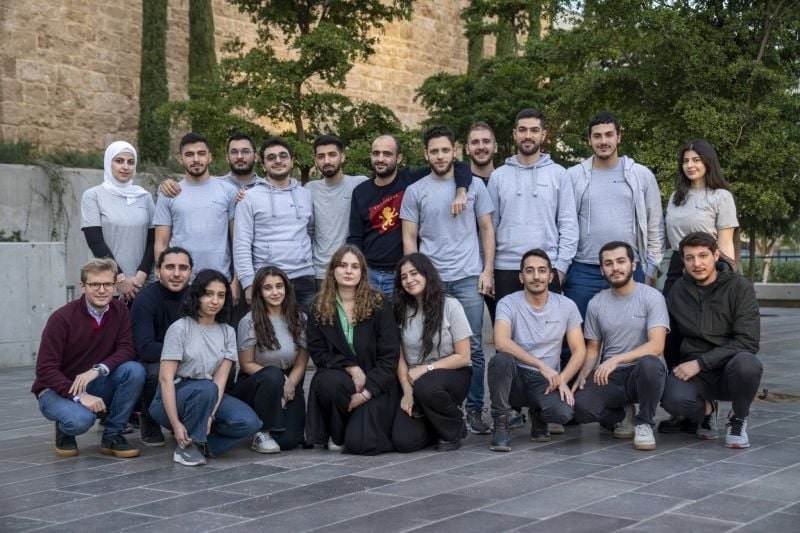
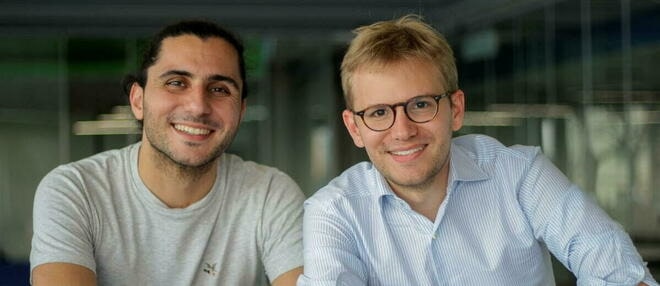
Fondée en 2021 par deux ex-étudiants de l’X de Paris et amis d’enfance – Whalid Ghanem et Maxime Pfrimmer -, Poyesis est une agence de développement SaaS sur-mesure entièrement autofinancée.
D’une petite poignée de développeurs à son lancement, l’agence compte aujourd’hui une trentaine de salariés.
Et cette croissance est due à 3 particularités de Poyesis :
- Poyesis a choisi de se spécialiser dans le développement SaaS sur-mesure ;
- Nous facturons nos clients au forfait, et non à la régie (ce qui vous évite la surprise des frais cachés) ;
- Et nous remettons absolument toute la propriété intellectuelle et le code source au client dès le premier jour de travail.
Petite anecdote : le terme “Poyesis” provient du grec ancien qui signifie “création”– une philosophie que nous intégrons dans chacun de nos projets.
Parmi les clients de Poyesis, de grandes entreprises telles que TotalEnergies et LVMH (Gerald Genta).
Parmi nos projets phares, citons :
- Partoo : une solution SaaS pour le marketing digital.
- Omerta : une plateforme qui combine presse et streaming.
- GPE : optimisation digitale pour ce leader du prêt-à-porter pour enfants.
Pour garantir des délais rapides et une satisfaction optimale, nous utilisons la méthodologie Agile.
À la fin de chaque sprint, vous recevez une nouvelle version de votre produit et nous prenons en compte vos retours.
Vous pouvez nous contacter sur notre site web (https://poyesis.fr/) par email (hello@poyesis.fr), par téléphone (+33 6 07 46 22 02) ou sur LinkedIn.
Yield Studio
Informations principales :
| Critère | Description |
| Prix |
|
| Spécialisation | Expertise en UX/UI et design digital. |
| Types de clients | Principalement des startups et des PME. |
| Projets notables |
|
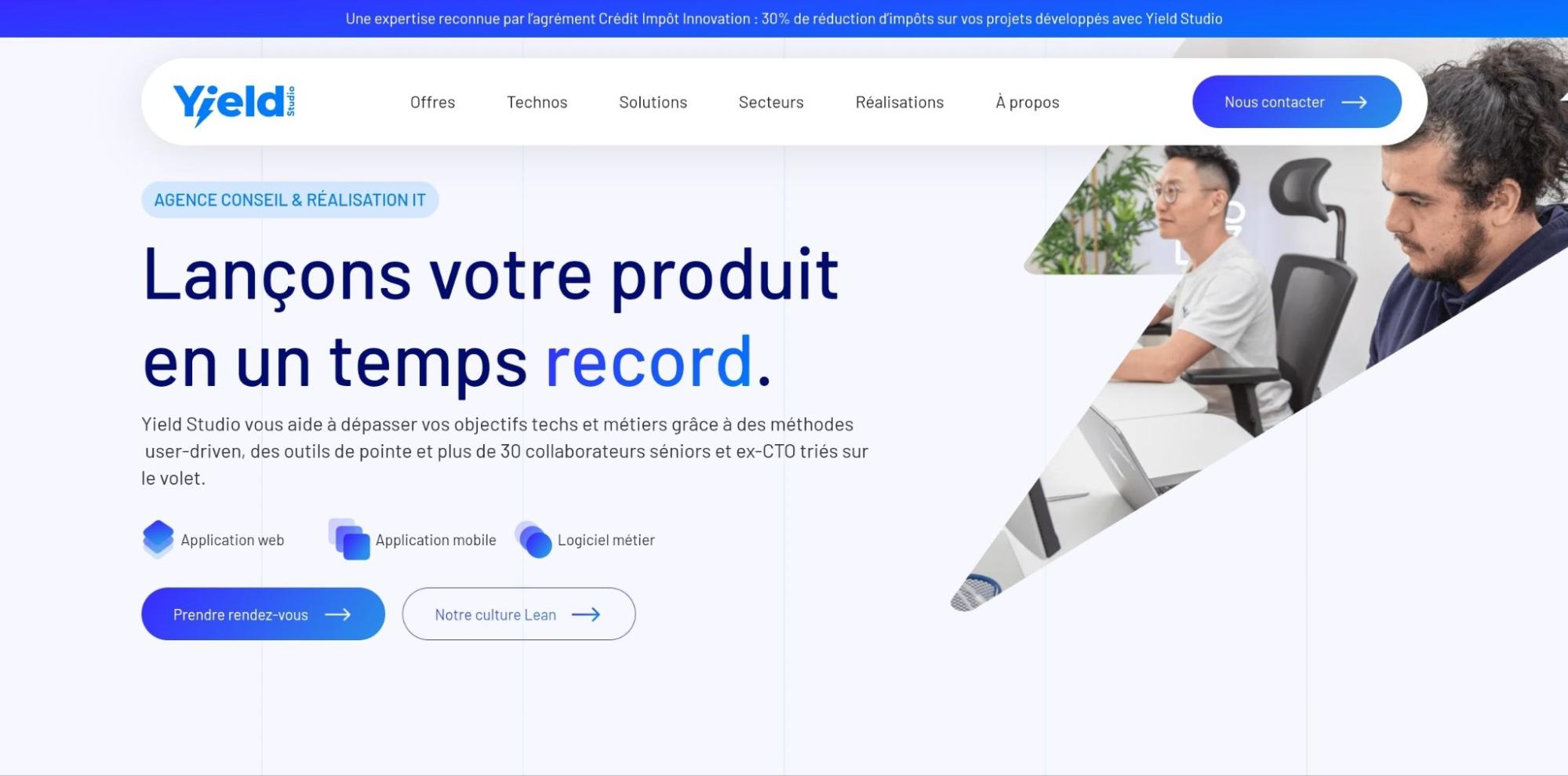
Fondée en 2019 par James (CTO) et Cyrille (CPO), Yield Studio a été créé pour redéfinir le paysage du développement web et mobile.
Lassés des projets sans impact réel, les deux fondateurs ont adopté une approche axée sur l’amélioration continue. Elle leur a été inspirée des principes du Lean, tels que le Kaizen et le Just-In-Time.
L’agence travaille principalement sur des technologies comme Laravel, React, Symfony, Node.js pour le développement web et React Native pour les applications mobiles.
Autofinancée, Yield Studio conserve une certaine indépendance.
En 2023, il a réalisé un chiffre d’affaires de 2,5 millions d’euros. Aussi, il prévoit de doubler ce montant en restant fidèle à son modèle autofinancé.
Les projets à venir incluent une expansion du pôle mobile et un recrutement stratégique pour soutenir cette croissance.
Leurs contacts :
Le Backyard – Agence d’innovation digitale
Informations principales :
| Critère | Description |
| Prix |
|
| Spécialisation | Branding, UX/UI, développement web et mobile. |
| Types de clients | Startups, PME, grands groupes. |
| Projets notables |
|
Fondée en 2015 par Thomas Huber et Wilfried Buchet, Le Backyard est une agence d’innovation digitale spécialisée dans la création et l’optimisation d’outils numériques performants. Elle est située à Paris et regroupe une équipe de 30+ experts dans des domaines variés : UX/UI, développement web et mobile, gestion de projets.
L’agence adopte une approche centrée sur l’utilisateur. Son équipe travaille avec les dernières technologies, telles que React Native pour les applications mobiles. Ses services incluent :
- UX/UI : UX research, design d’interaction, UI kits, design system.
- Développement web : création de sites vitrines, e-commerce, marketplaces, outils métiers.
- Développement d’applications mobiles.
- Positionnement produit, contrôle qualité, pilotage de projet.
Le Backyard a été récompensé par :
- Agrée CII (Crédit d’Impôt Innovation) pour des projets mobiles et web.
- Top 1 dans la catégorie UX sur Sortlist.
- Distinguée par plusieurs prix, notamment au Concours Lépine.
Et compte parmi ses clients :
- Cityscoot, Saint Laurent, EDF, Amazon, Orange, Vinci Immobilier, Veolia, Blablacar, O’Tacos, et bien d’autres.
Vous pouvez joindre l’agence sur :
- Site Web : lebackyard.fr
- Téléphone :+33 (0)9 86 35 76 35
Sooyoos
Informations principales :
| Critère | Description |
| Prix |
|
| Spécialisation | Solutions sur mesure pour PME et ETI, a e-commerce, applications métiers et développement mobile. |
| Types de clients | Startups, associations (comme Action contre la faim), grands groupes (Roche, Nespresso), et entreprises innovantes (Mirakl, SkinAnalysia). |
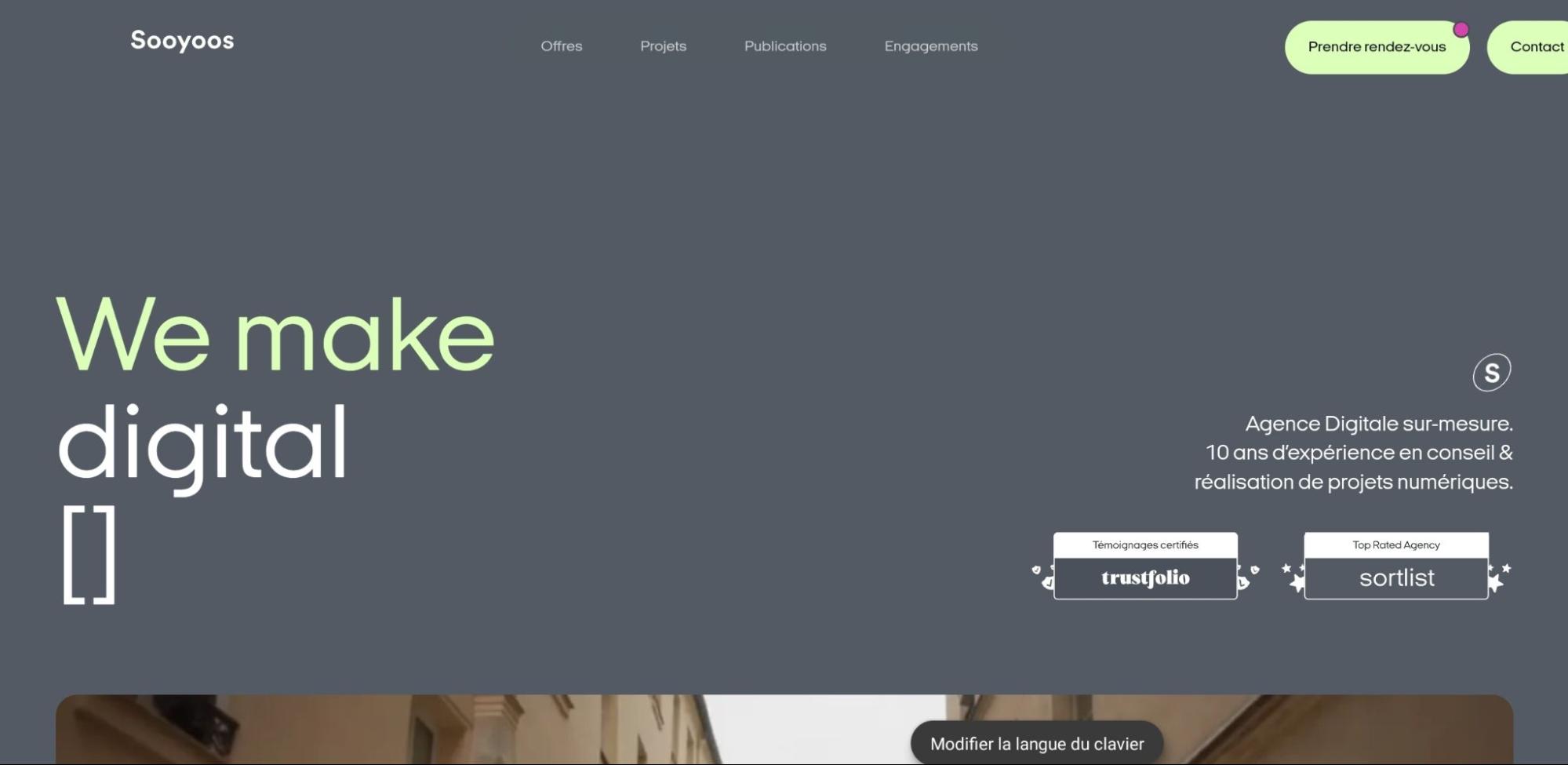
Fondée en 2010, Sooyoos est une agence spécialisée dans le développement sur-mesure de sites web, applications mobiles et plateformes digitales.
Avec +de 10 ans d’expérience, elle a su s’imposer auprès de startups, associations, ainsi que de grands groupes internationaux.
Sooyoos propose un accompagnement complet qui se déroule en deux phases.
La phase de conseil (analyse des besoins, infrastructures et technologies, transition digitale) et la phase de réalisation (UX/UI, développement web et mobile).
L’équipe travaille selon des méthodes agiles et met l’accent sur l’efficacité à long terme.
Pour contacter Sooyoos :
- Site Web : sooyoos.com
- Email : contact@sooyoos.com
- Téléphone : 07 80 90 85 30
Galadrim
Informations principales :
| Critère | Description |
| Prix |
|
| Spécialisation | Conception, développement et maintenance d’applications web et mobiles. |
| Types de clients | Startups, grandes entreprises, et clients dans divers secteurs tels que la santé, l’e-commerce, la finance et les logiciels métiers. |
| Projets notables |
|
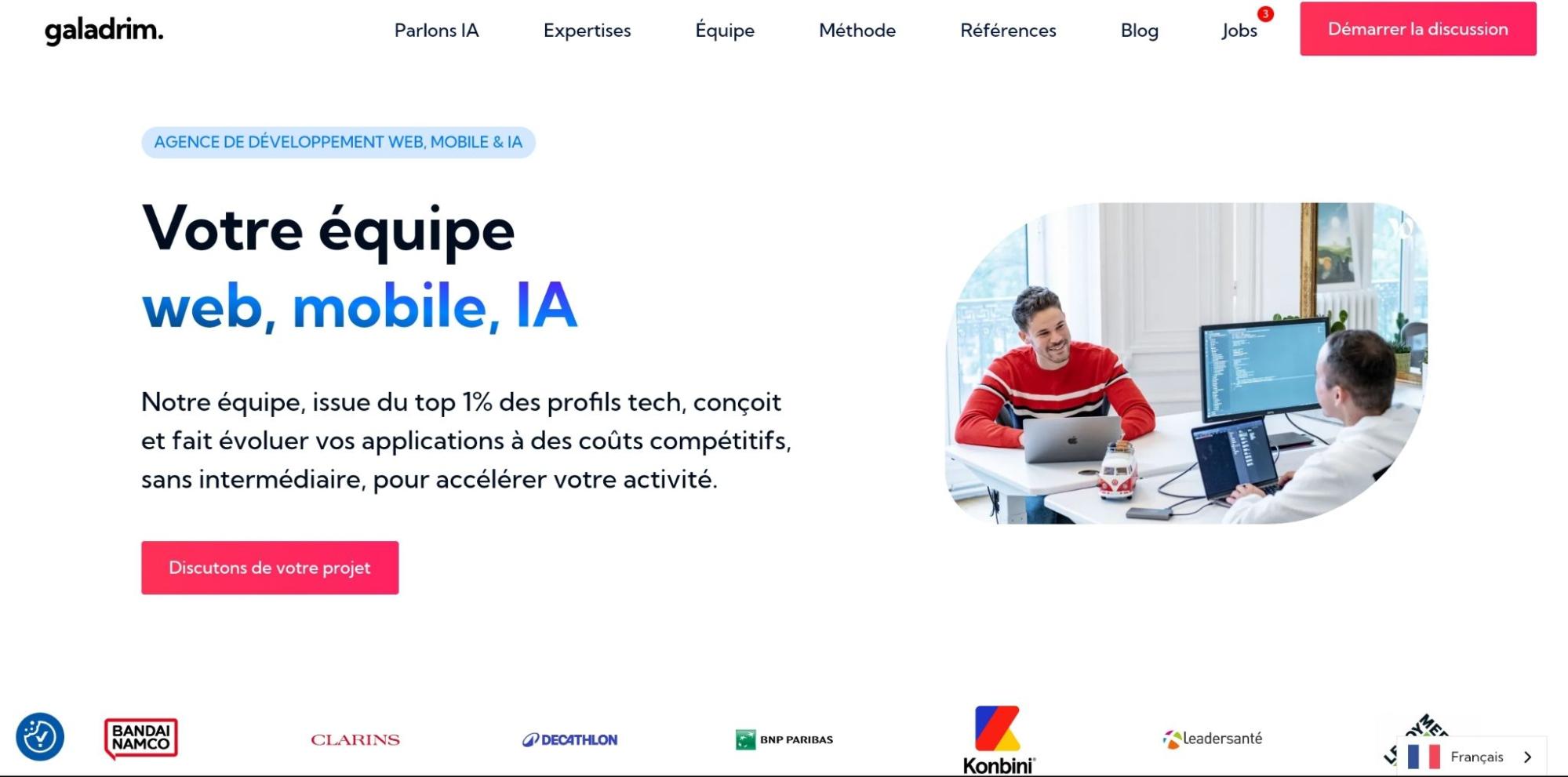
Fondée en 2017 par Jean Ashton et son associé, Galadrim s’est spécialisée dans la création de produits digitaux innovants.
L’agence vise à résoudre des problématiques techniques et commerciales complexes.
Son but ? Placer les clients au cœur du processus de développement, pour produire un maximum de valeur.
Le suivi du projet est transparent, avec une prise en compte constante des retours clients pendant les phases de développement.
L’agence maîtrise des technologies de pointe telles que React.js, React Native, Node.js, Python, et TypeScript pour créer des solutions web et mobiles scalables.
Elle a récemment structuré ses équipes en cellules autonomes. Ce qui a d’ailleurs permis une forte implication des employés dans le développement de l’entreprise.
Ses contacts :
- Site Web : galadrim.fr
- Email : contact@galadrim.fr
Theodo
Informations principales :
| Critère | Description |
| Spécialisation | Spécialiste en développement de solutions web et mobiles. |
| Types de clients | start-ups, grandes multinationales, etc. |
| Projets notables |
|
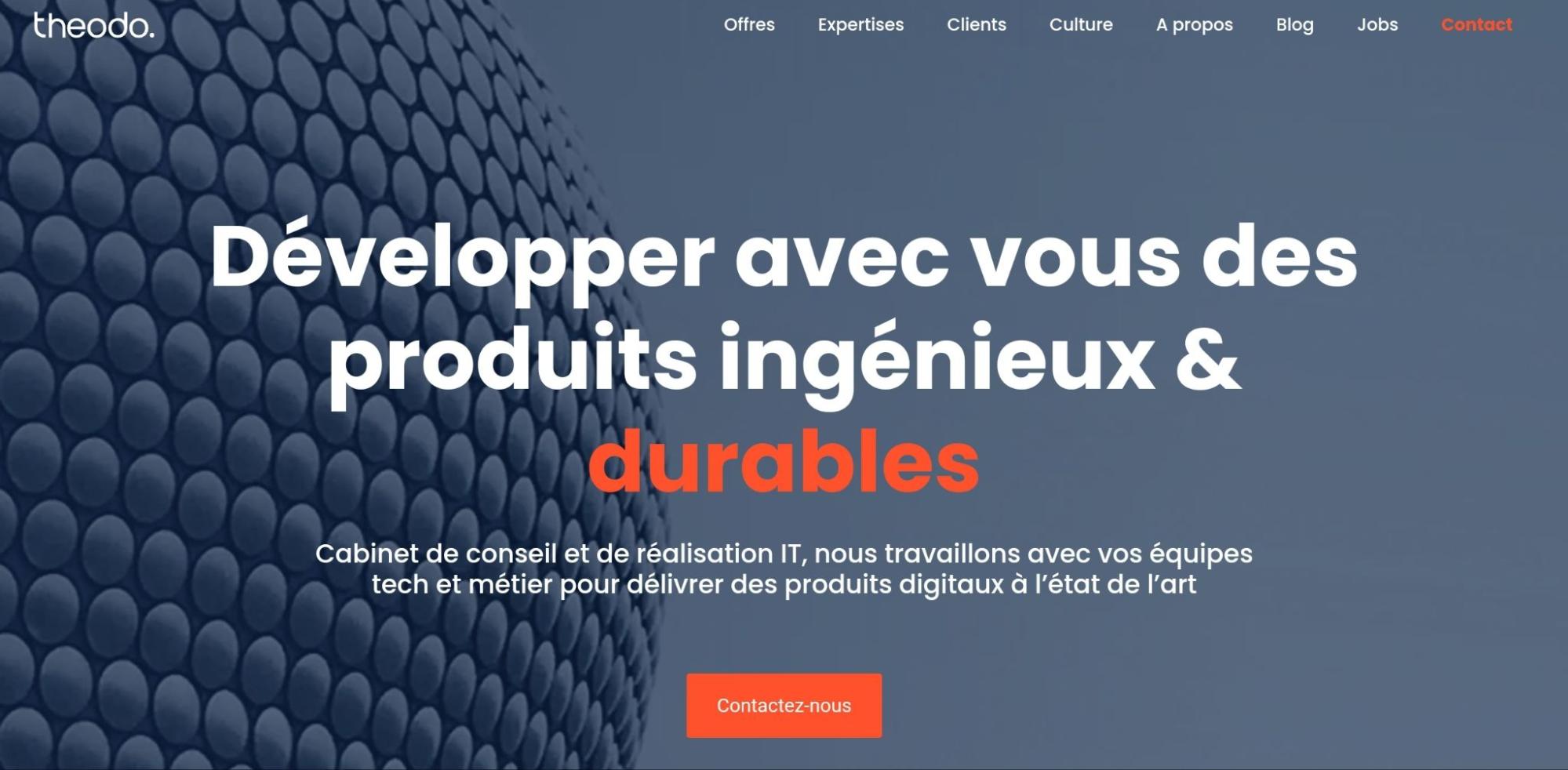
Créée en 2007 par Benoît Charles-Lavauzelle et Fabrice Bernhard, l’entreprise a vu le jour grâce au succès d’Allomatch. Il s’agit d’une application web dédiée aux retransmissions sportives. Theodo s’est progressivement étendu à l’international avec des bureaux au Royaume-Uni, États-Unis et Maroc.
L’entreprise compte + de 171 employés et utilise des technologies comme :
- React,
- Symfony,
- Node.js,
- Python,
- Angular,
- API Platform,
- Vue.js, et bien d’autres.
Vous avez la possibilité de la contacter sur :
- Site Web : https://www.theodo.fr
- Blog
Talfac
Informations principales :
| Critère | Description |
| Prix |
|
| Spécialisation | Développement d’applications web et mobiles, SaaS, IA, No-Code, front-end, back-end et architecture technique. |
| Types de clients | BVA, Groupe Paris Turf, Wiztopic, Hublo, ActionDesk, Hakoo, Landor, Styqr, Frames Dealer, Scientific Analytics, Popvalet, Easy Ta Vie, etc. |
| Projets notables |
|
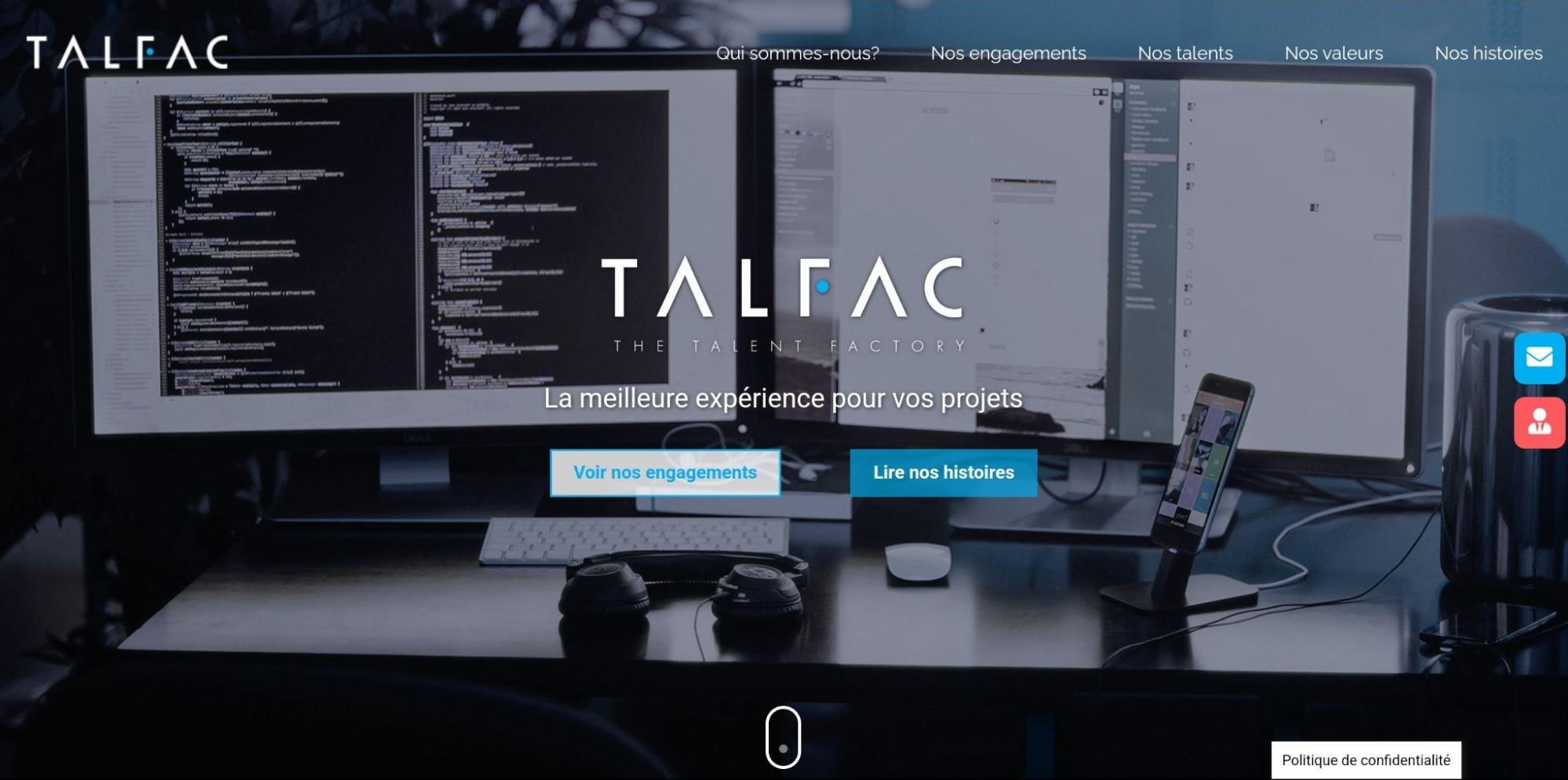
Talfac a été fondée en 2017. Il s’agit d’une société spécialisée dans le développement de solutions digitales de haute qualité. Avec une équipe de 35 experts, l’entreprise offre :
- Création d’applications web et mobiles à l’intelligence artificielle,
- développement de logiciels,
- stratégie digitale…
Parmi les clients notables de Talfac figurent des entreprises renommées comme BVA, Paris Turf, Wiztopic, et Hublo. Contactez-la sur son site web : Talfac.
NetDevices
Informations principales :
| Critère | Description |
| Prix |
|
| Spécialisation | Applications web et mobiles, développement no-code avec Bubble, solutions cloud, data et intelligence artificielle, design UX/UI, consulting Agile, et accompagnement MVP. |
| Types de clients | Axa, Bayard, Family Self Care, HBS, Fleetizen, Société Générale, La Croix, MAAF, Pronos Direct, etc. |
| Projets notables |
|
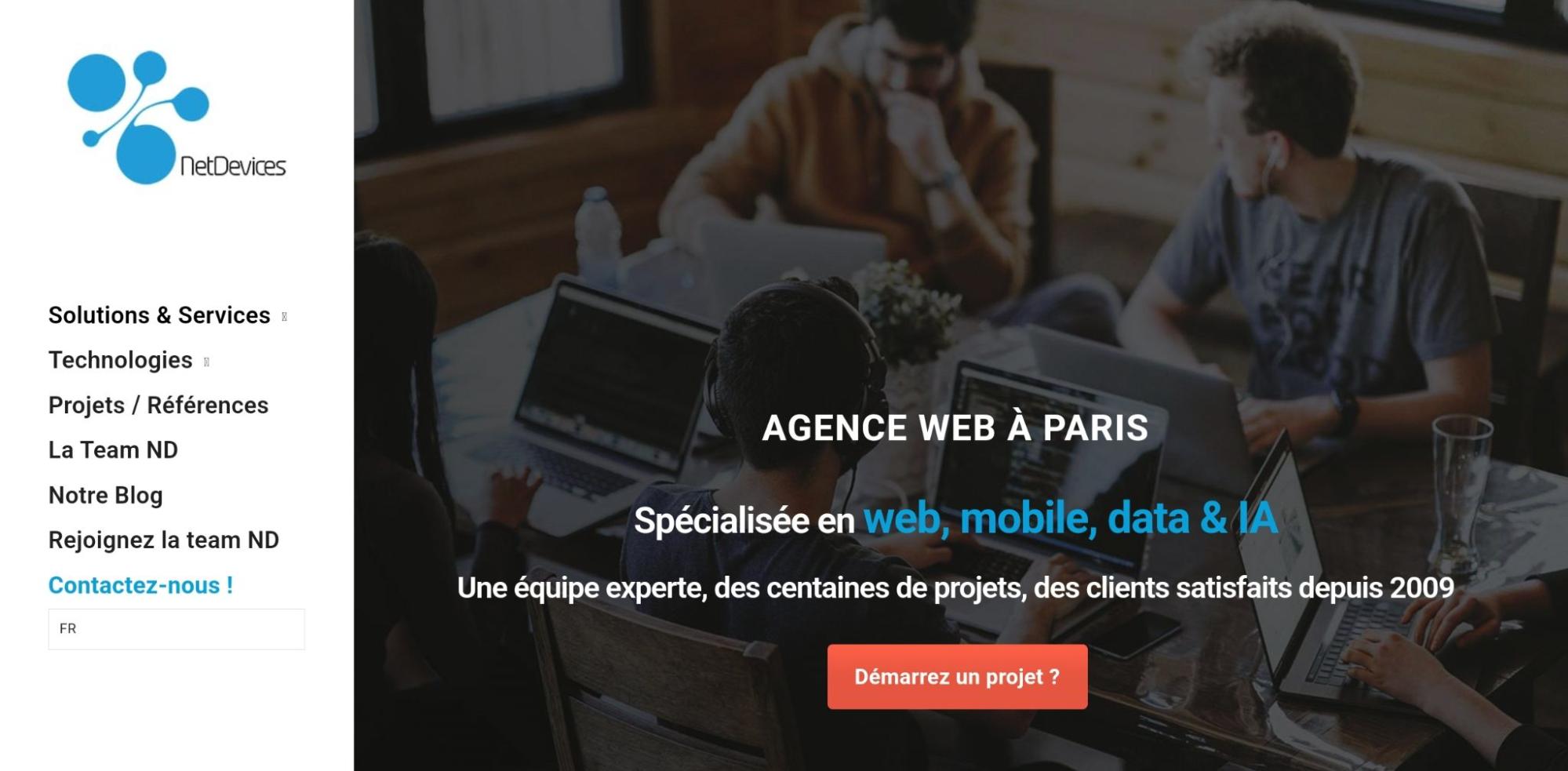
Créée en 2009, NetDevices est une agence web parisienne qui offre des services variés : développement d’applications web et mobiles, intégration cloud, data, IA et no-code. Initialement conçue pour développer une plateforme innovante pour la presse quotidienne, elle a évolué vers les prestations de services en maintenant un fort investissement en R&D.
L’agence propose également un service spécifique, MVP Studio. Elle permet de développer rapidement des produits minimaux viables à des coûts réduits, notamment grâce à l’utilisation de Bubble.io.
Contact :
- Site Web : netdevices.fr
- Email : contact@netdevices.fr
Venise ACTIVATION
Informations principales :
| Critère | Description |
| Prix |
|
| Spécialisation | Fusion marketing et digital : stratégie, contenu, CRM, UX, fidélisation, performance, etc. |
| Types de clients | B2B, B2C, B2B2C dans des industries variées comme le luxe, la santé, l’automobile, le retail. |
| Projets notables |
|
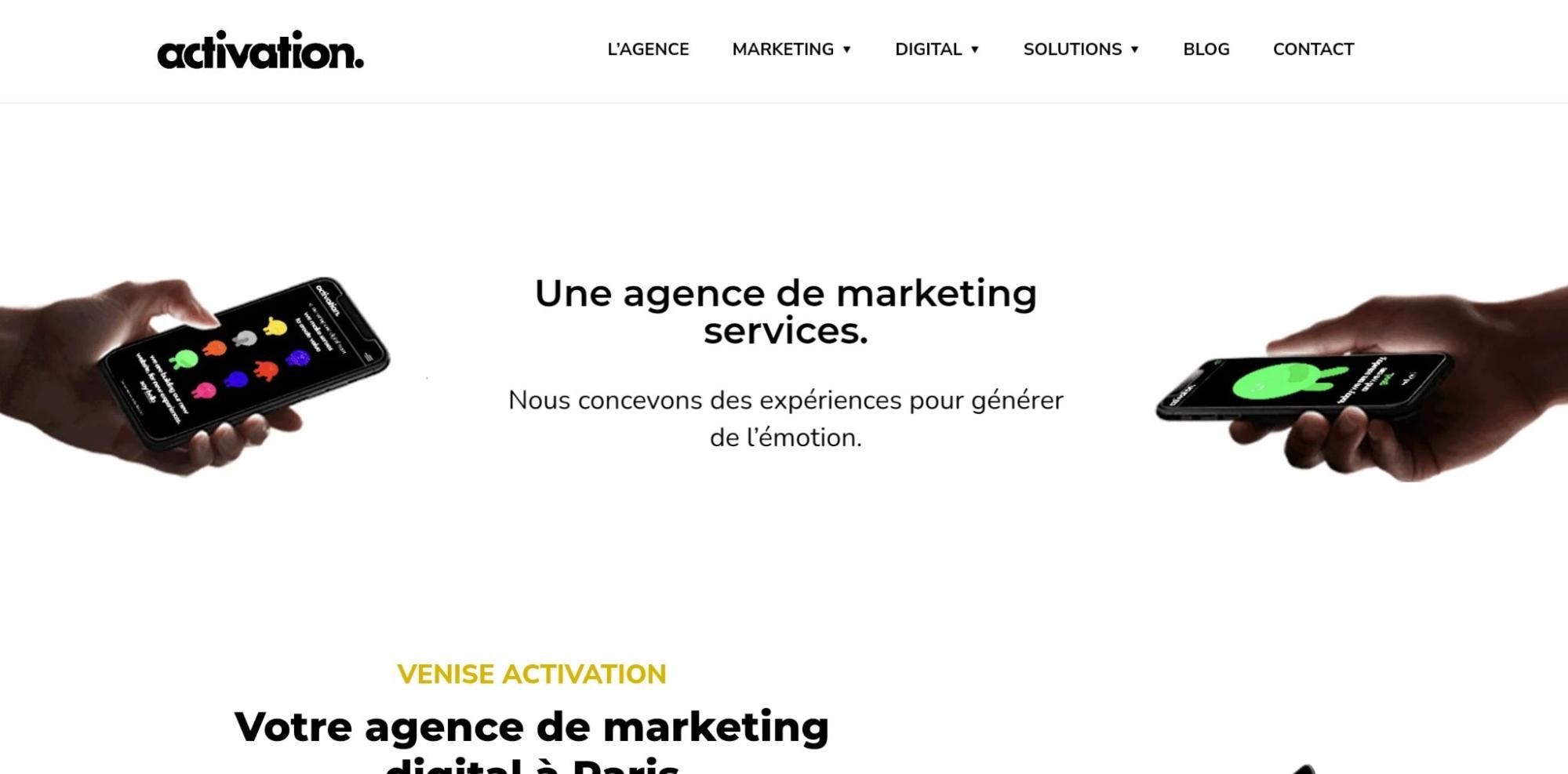
Venise ACTIVATION accompagne les marques dans leurs besoins en marketing, communication et digitalisation. L’agence est spécialisée dans la conception de dispositifs qui transforment les objectifs commerciaux en réussites concrètes.
Les équipes combinent créativité, technologie et expertise pour développer des solutions sur mesure adaptées aux besoins uniques des clients. Le service va de la stratégie marketing aux projets digitaux avancés (sites web, plateformes, campagnes, CRM, etc.). Pour finir, elle passe par la création de contenu, les programmes de fidélisation, et l’analyse des données pour maximiser le ROI.
Vous avez la possibilité de contacter l’agence par :
- Site Web : Venise ACTIVATION
Kreante
Informations principales :
| Critère | Description |
| Prix |
|
| Spécialisation | NoCode et LowCode. |
| Types de clients | B2B et B2C, avec plus de 125 projets réalisés dans le monde |
| Projets notables |
|
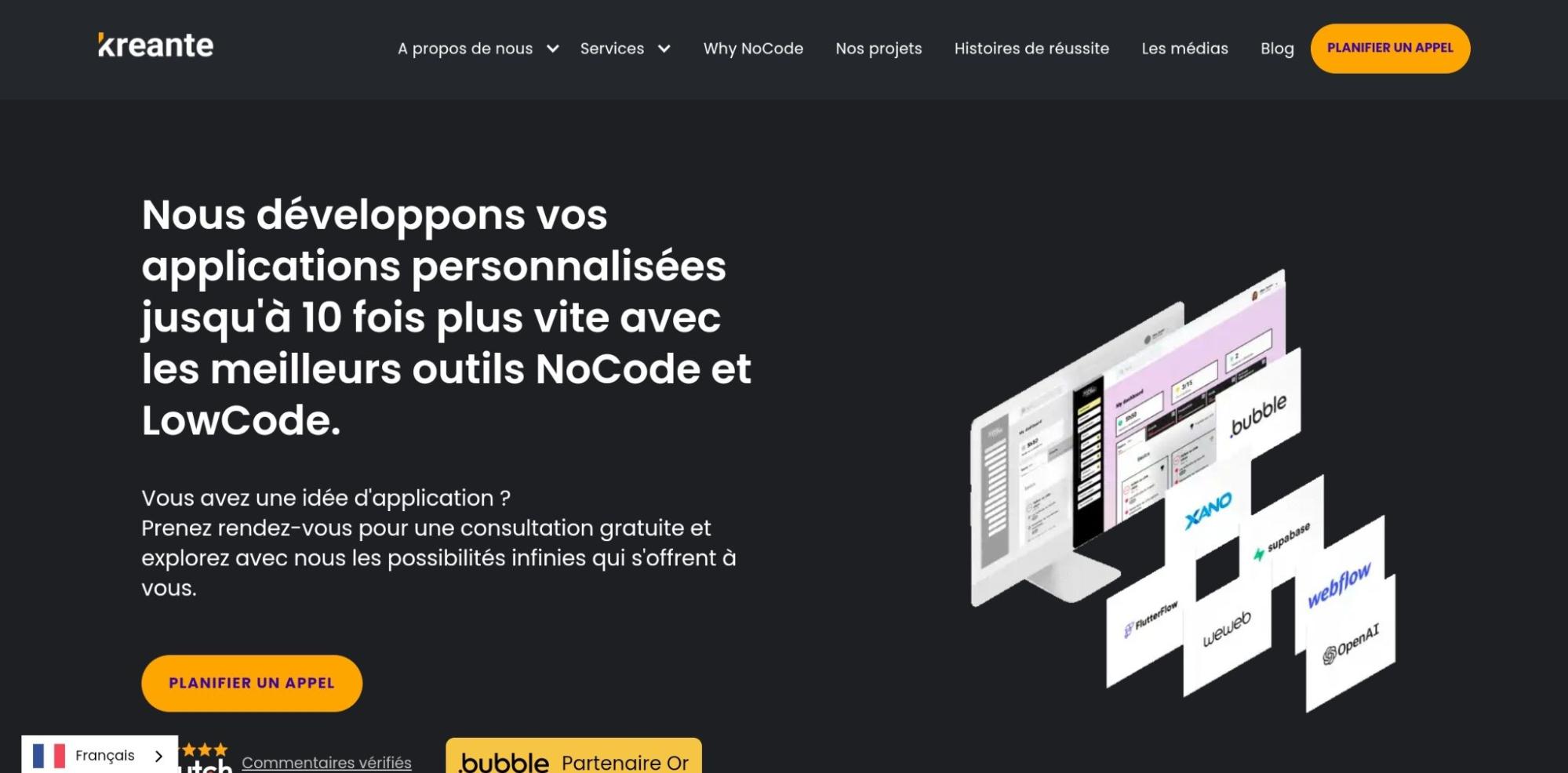
Fondée en 2019 et basée à Paris, Kreante est une agence spécialisée dans le développement NoCode et LowCode. Avec une équipe internationale de 25 experts parlant français, anglais et espagnol, l’agence conçoit des solutions numériques sur mesure, évolutives et sécurisées. Kreante accompagne les entreprises dans la réalisation rapide et efficace de leurs projets grâce à des outils innovants tels que Bubble, Webflow ou Flutterflow.
Contact :
- Email : contact@kreante.co
- Site web : kreante.co
- Réseaux sociaux : Facebook, Instagram, LinkedIn, TikTok
Un dernier mot…
Trouver l’agence parfaite, c’est garantir un site web qui travaille pour vous, jour et nuit. Les agences présentées ici brillent par leurs spécialités et leur capacité à répondre aux besoins uniques des entreprises, petites ou grandes.
L’important ? Choisir celle qui correspond à vos objectifs et à votre taille.
Besoin d’inspiration ? Poyesis est prête à vous accompagner avec passion. Alors, contactez-nous dès aujourd’hui… Et rappelez-vous : une collaboration réussie commence toujours par un bon choix !